
Some complications impress through sheer complexity. Others stand out because they solve a genuine problem. When Vacheron Constantin unveiled the Traditionelle Twin Beat Perpetual Calendar in 2019, it immediately belonged to the latter category. It wasn’t simply another high-end perpetual calendar—it was a clever rethinking of how collectors actually live with complicated watches.
Now, one of the most technically intriguing watches of the past decade is back.
The new Vacheron Constantin Traditionelle Twin Beat Perpetual Calendar revisits the groundbreaking concept while introducing a more contemporary aesthetic and a refined execution that feels perfectly aligned with the maison’s current direction. For collectors who appreciate innovation hidden beneath traditional craftsmanship, this may be one of the year’s most fascinating releases.
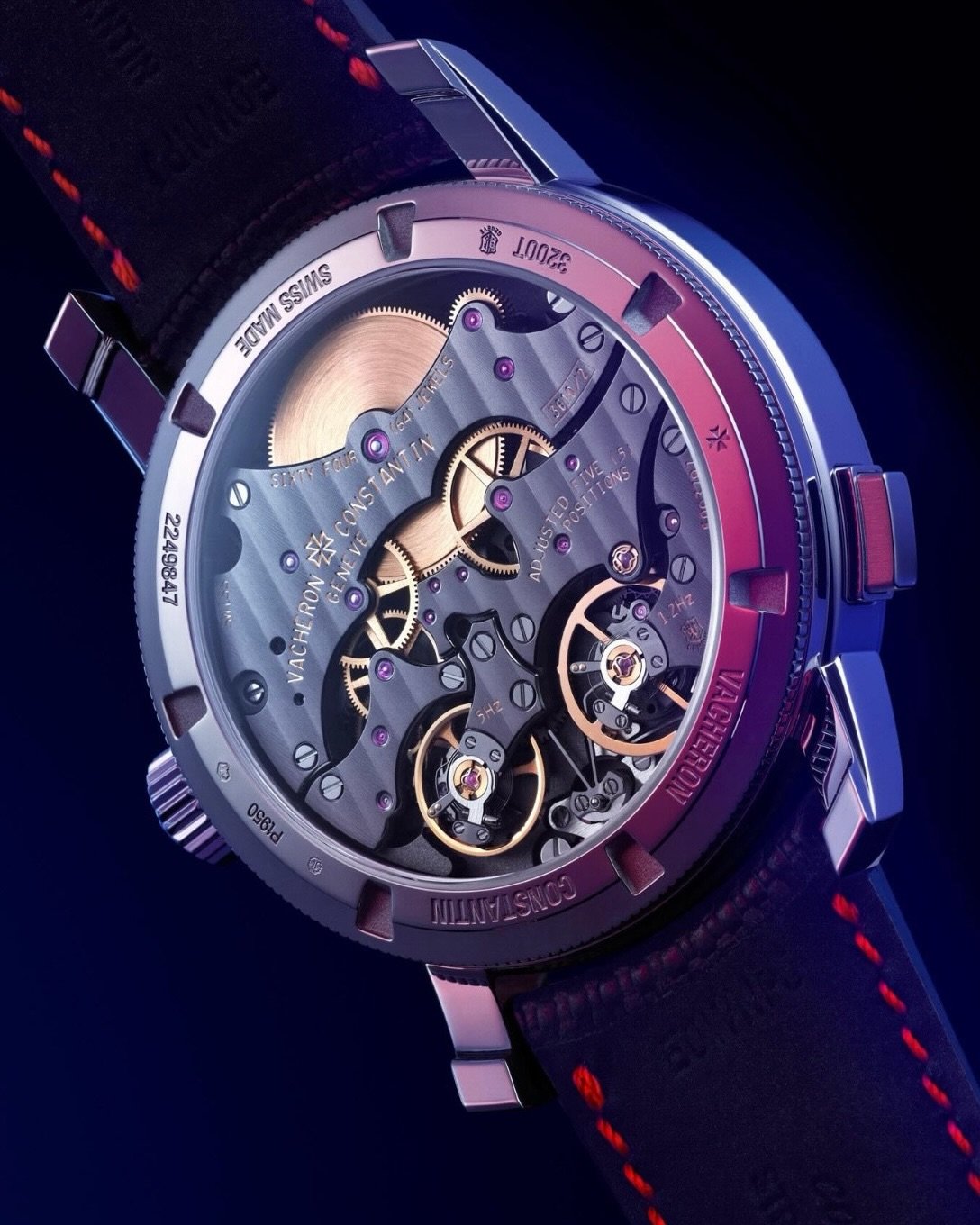
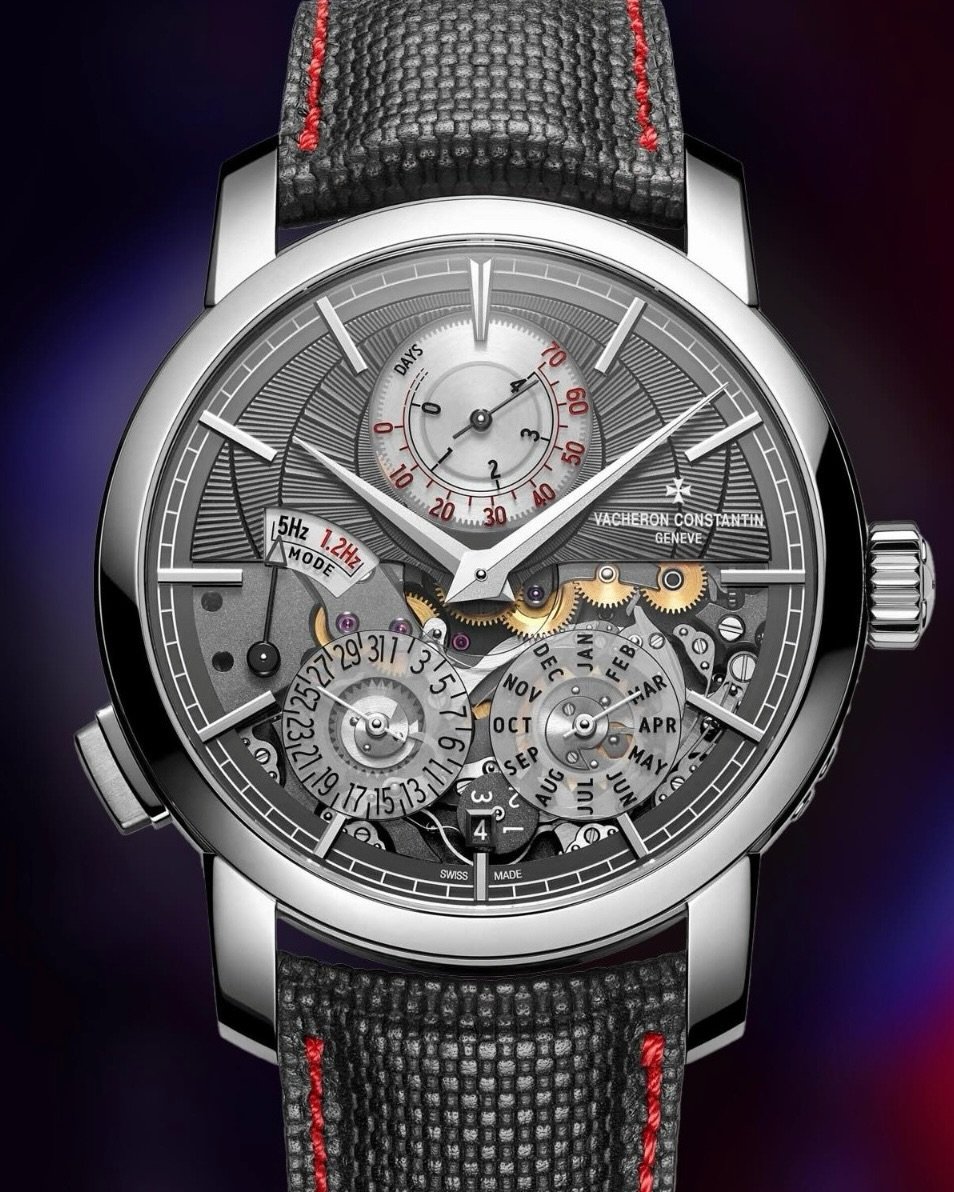
The Perpetual Calendar Problem—And Vacheron’s Solution
Perpetual calendars remain among the most admired complications in haute horlogerie. Designed to automatically account for varying month lengths and leap years, they can theoretically run without adjustment until 2100.
The challenge, however, is familiar to many collectors. Once a perpetual calendar stops running, resetting the indications can become a tedious process requiring careful adjustments and, in some cases, a trip to the boutique.
Vacheron Constantin approached this issue from an entirely different angle. Rather than making the calendar easier to reset, the brand developed a way to keep it running significantly longer when the watch is not being worn.
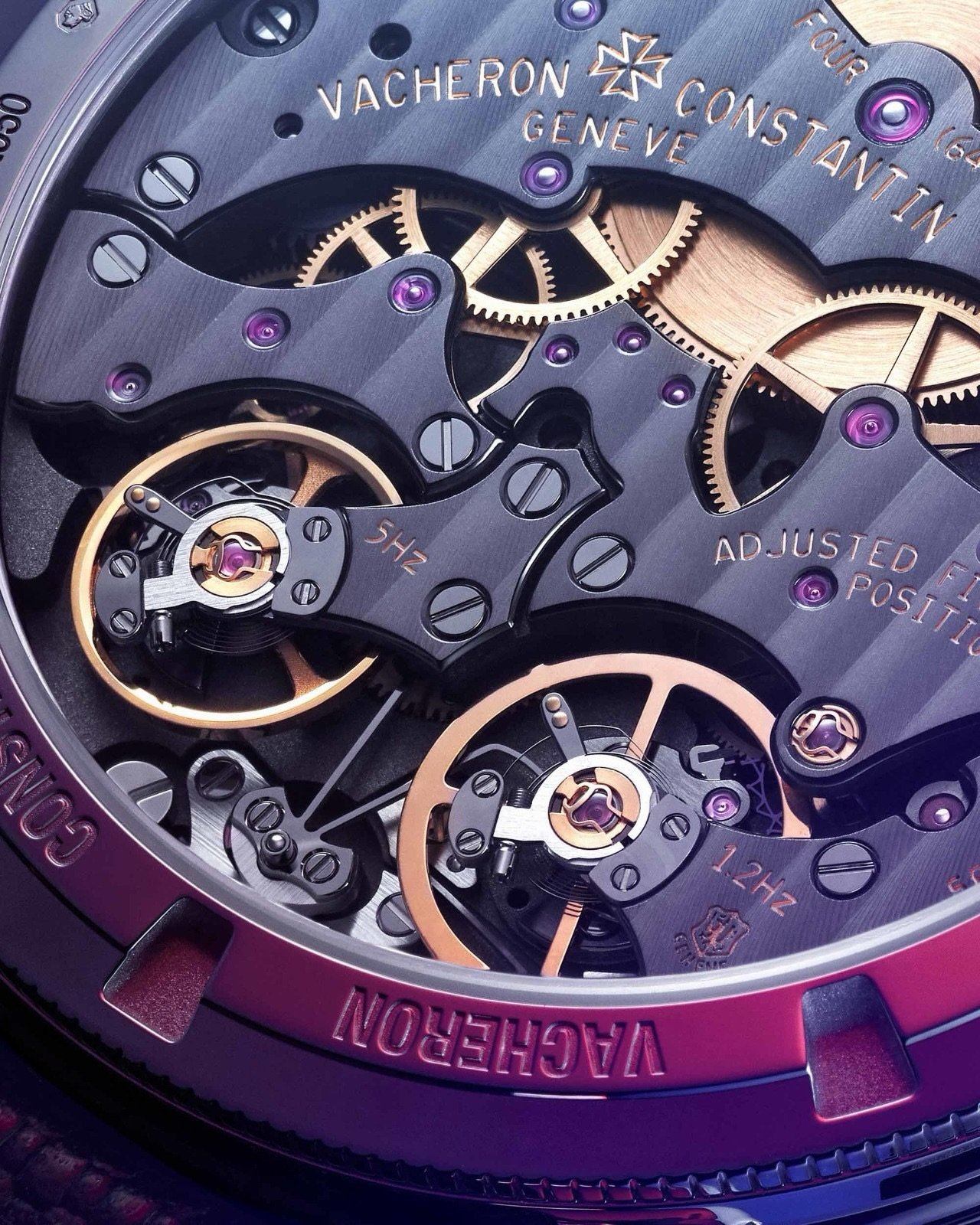
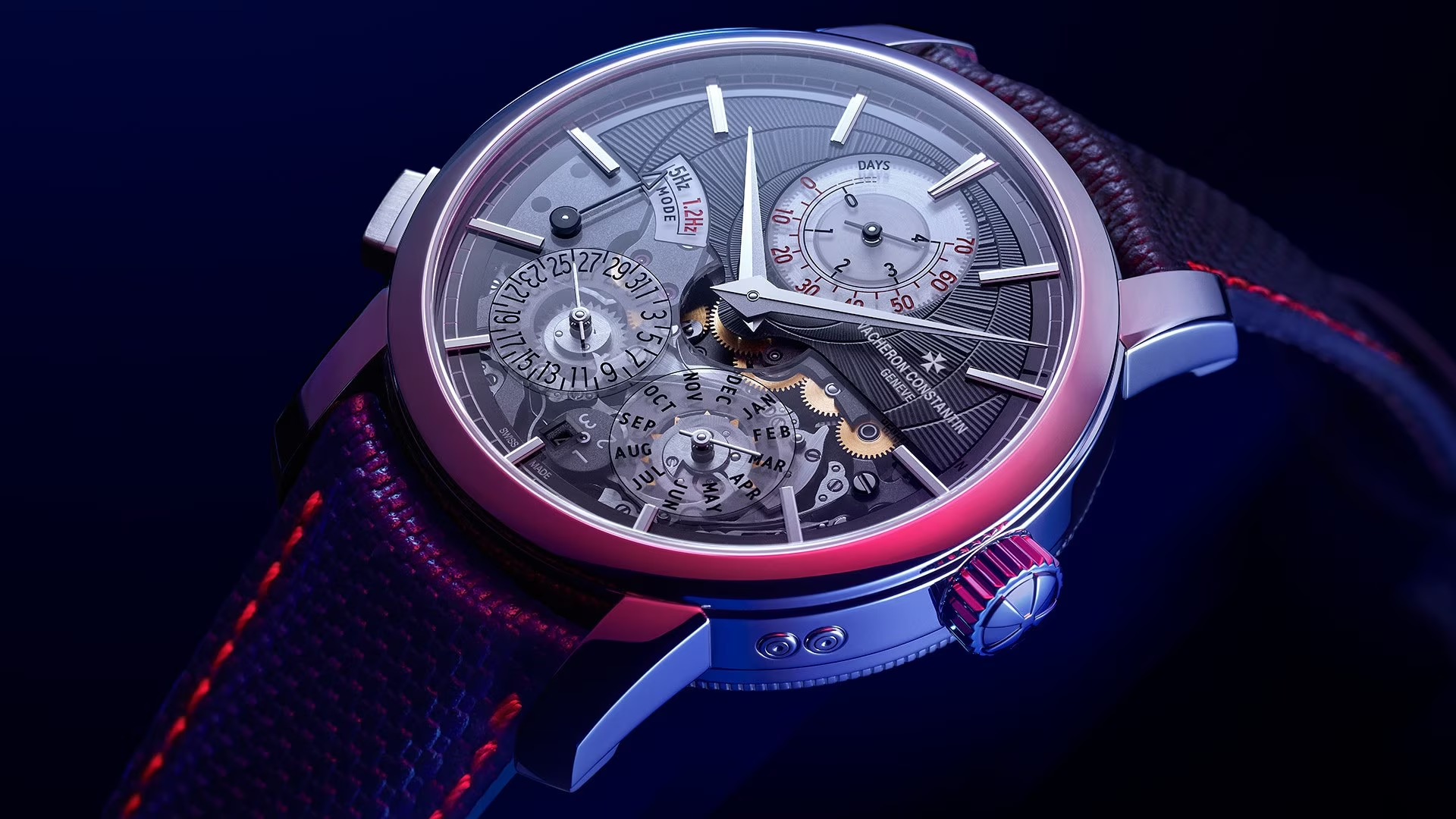
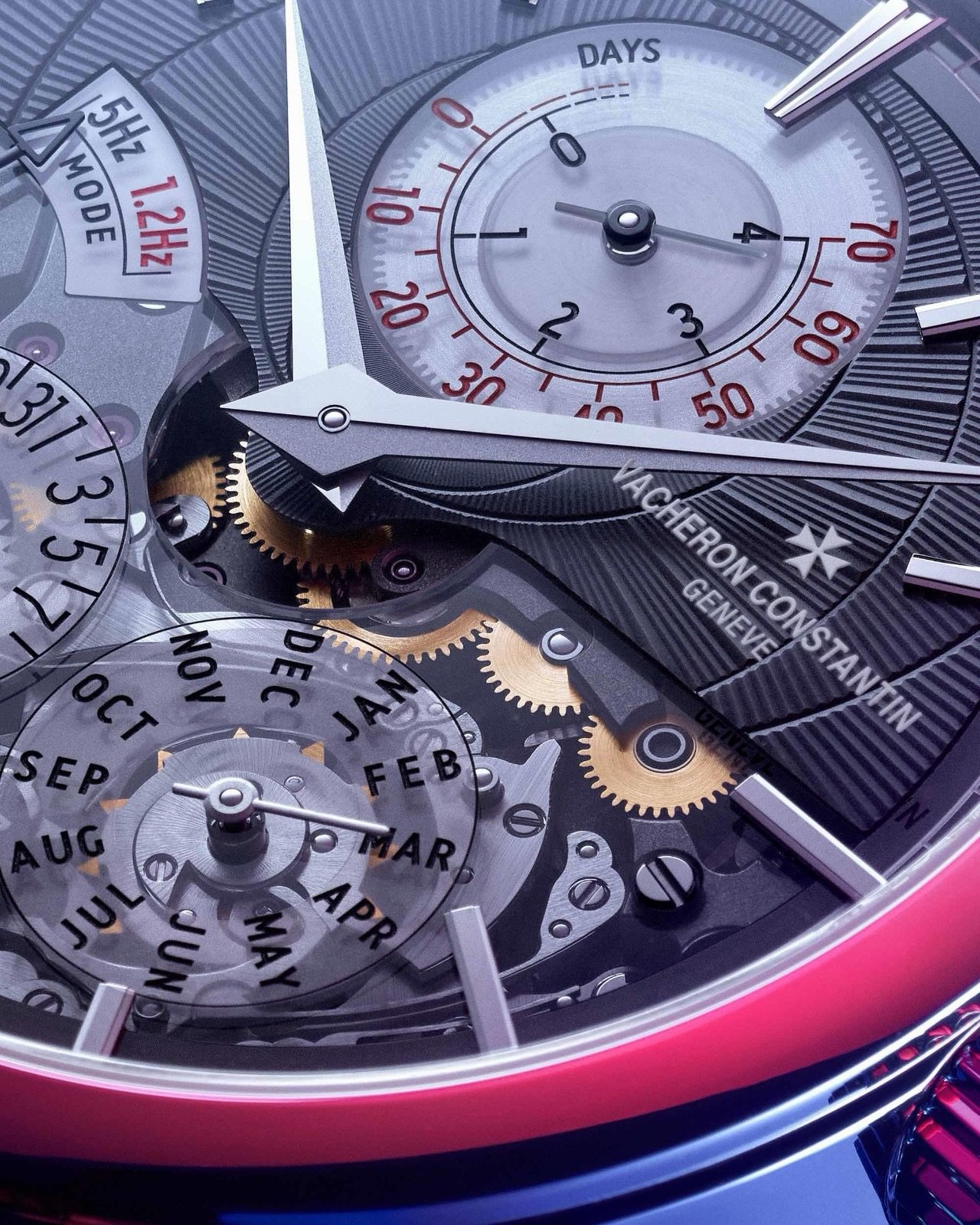
The answer is the Twin Beat system, a remarkable mechanism featuring two independent balance wheels operating at different frequencies. In active mode, the watch runs at 5 Hz, providing the stability expected from a daily wearer. When stored, the wearer can switch to a low-frequency standby mode operating at just 1.2 Hz.
This dramatically reduces energy consumption while keeping the perpetual calendar functioning.
What’s New in the Latest Traditionelle Twin Beat
While the underlying concept remains unchanged, Vacheron Constantin has refreshed the watch with a striking new look.
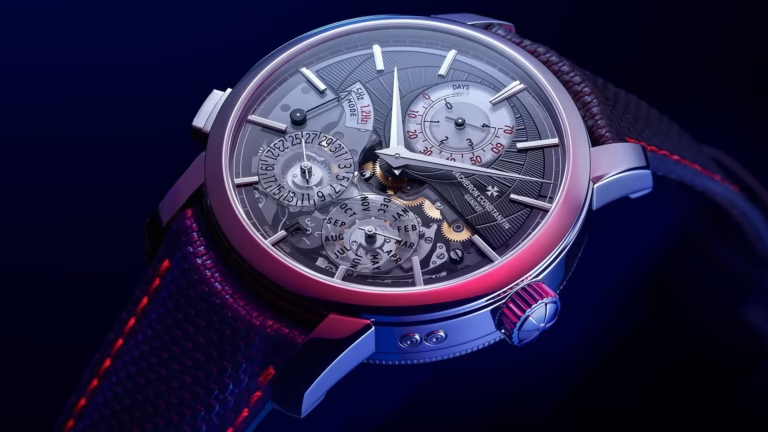
The latest model arrives in 18-carat rose gold paired with a deep green dial, a combination that continues the luxury industry’s fascination with rich green tones while feeling distinctly elegant rather than trend-driven. The open-worked lower dial section remains, allowing collectors to admire portions of the sophisticated mechanism that powers the Twin Beat system.
Inside sits the manually wound Calibre 3610 QP, comprised of nearly 500 components and certified with the Hallmark of Geneva. The movement continues to deliver approximately four days of power reserve in active mode and up to 65 days in standby mode—an achievement that remains extraordinary even several years after the complication’s debut.
The dial layout retains its clear perpetual calendar indications, including day, date, month, leap year, and power reserve displays. Despite the complexity beneath the surface, the watch remains surprisingly legible, a testament to Vacheron Constantin’s mastery of traditional watch design.
Innovation With a Purpose
In an era where brands often compete to produce increasingly complicated watches, the Twin Beat remains refreshingly practical. Its innovation is not about adding another display or setting a new record. Instead, it addresses a real-world frustration faced by owners of complicated mechanical watches.
That practicality is precisely why the concept continues to resonate. While perpetual calendars have long represented one of watchmaking’s most prestigious complications, the Twin Beat makes them more compatible with modern collecting habits, where enthusiasts frequently rotate between multiple watches.
The return of the Traditionelle Twin Beat Perpetual Calendar also serves as a reminder of Vacheron Constantin’s unique position within haute horlogerie. The brand rarely chases headlines through spectacle alone. Instead, it tends to innovate quietly, producing solutions that reveal their brilliance over time.
Several years after its debut, the Twin Beat remains one of the most intelligent complications in contemporary watchmaking. This latest execution refines an already exceptional concept, proving that true innovation doesn’t always come from adding more complexity—sometimes it comes from making complexity easier to live with.