
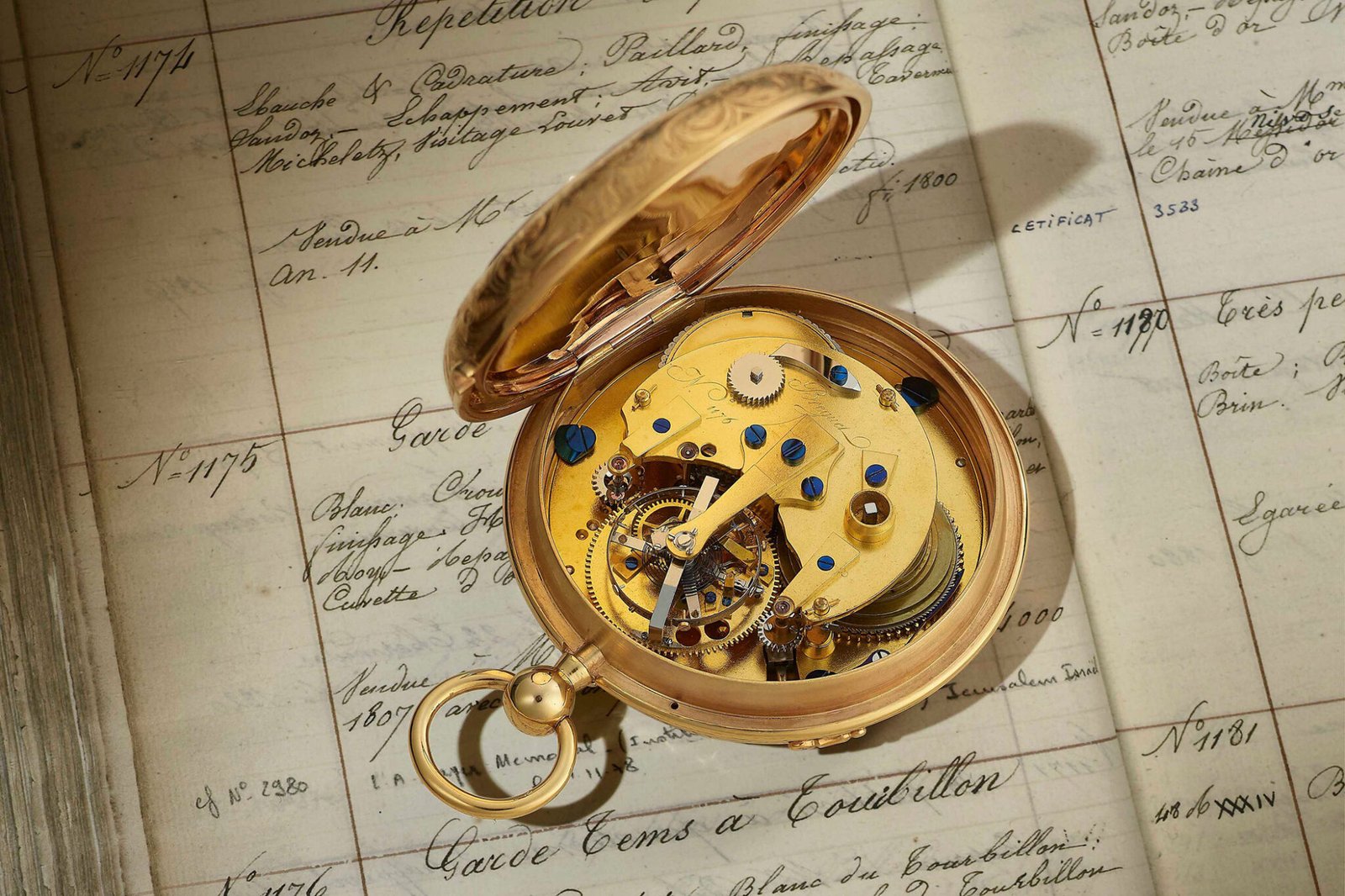
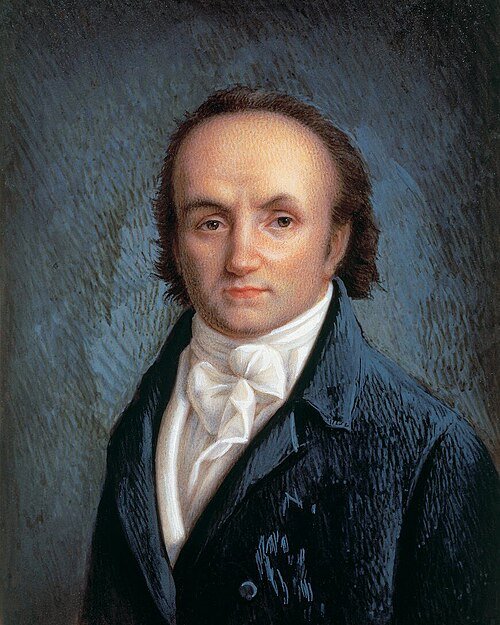
On June 26, 1801, a Paris watchmaker named Abraham-Louis Breguet walked away with a patent for an idea so elegant it’s still considered one of the great feats of mechanical engineering: a way to make gravity stop messing with a watch’s accuracy. Two hundred and twenty-five years later to the day, his namesake Manufacture marked the anniversary with four new tourbillon watches, and one in particular deserves the spotlight.
Why the Tourbillon Still Matters
Every mechanical watch relies on a balance wheel and escapement to regulate time, and both are stubbornly sensitive to position. Leave a pocket watch face-up on a nightstand for hours and gravity pulls unevenly on those components, quietly throwing off accuracy. Breguet’s solution was to mount the entire regulating assembly in a rotating cage, typically completing one full rotation per minute. As the cage spins through every position, gravity’s effect averages itself out rather than compounding in one direction.
It’s a principle so sound that watchmakers are still building on it today, more than two centuries after Breguet first sketched it out — and that’s exactly what this anniversary collection sets out to prove.
The Headliner: Classique Tourbillon Sidéral 7255
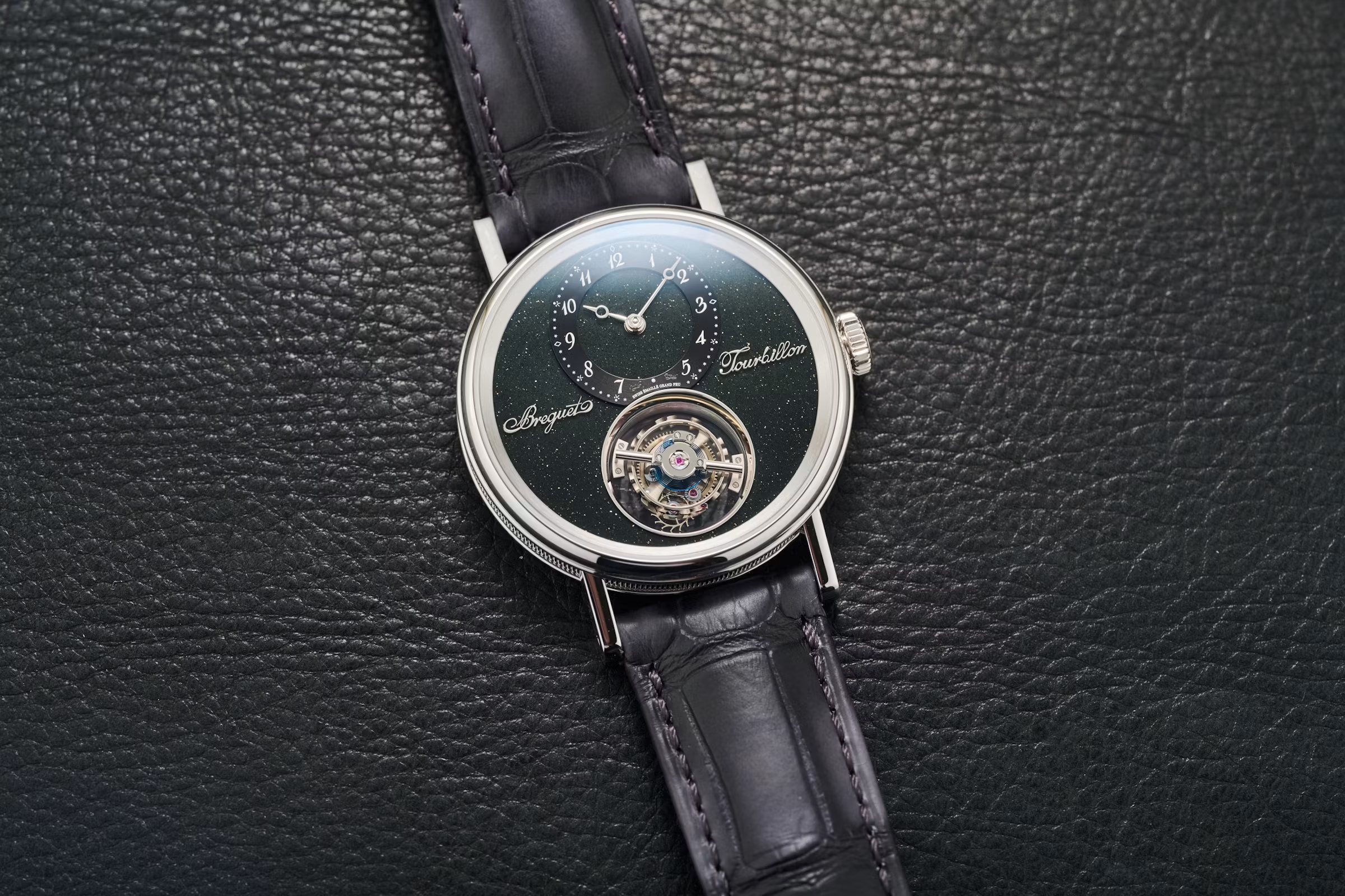
The Sidéral 7255 isn’t new — it first appeared in 2025 as part of Breguet’s 250th-anniversary celebrations, debuting as the Manufacture’s first-ever flying tourbillon. What makes a tourbillon “flying” is the absence of an upper bridge: the cage is held only from below, so it appears to hover on the dial with no visible support. Breguet paired that with a “mysterious” construction, hiding the connection between the gears and the cage so the whole assembly seems to move on its own.
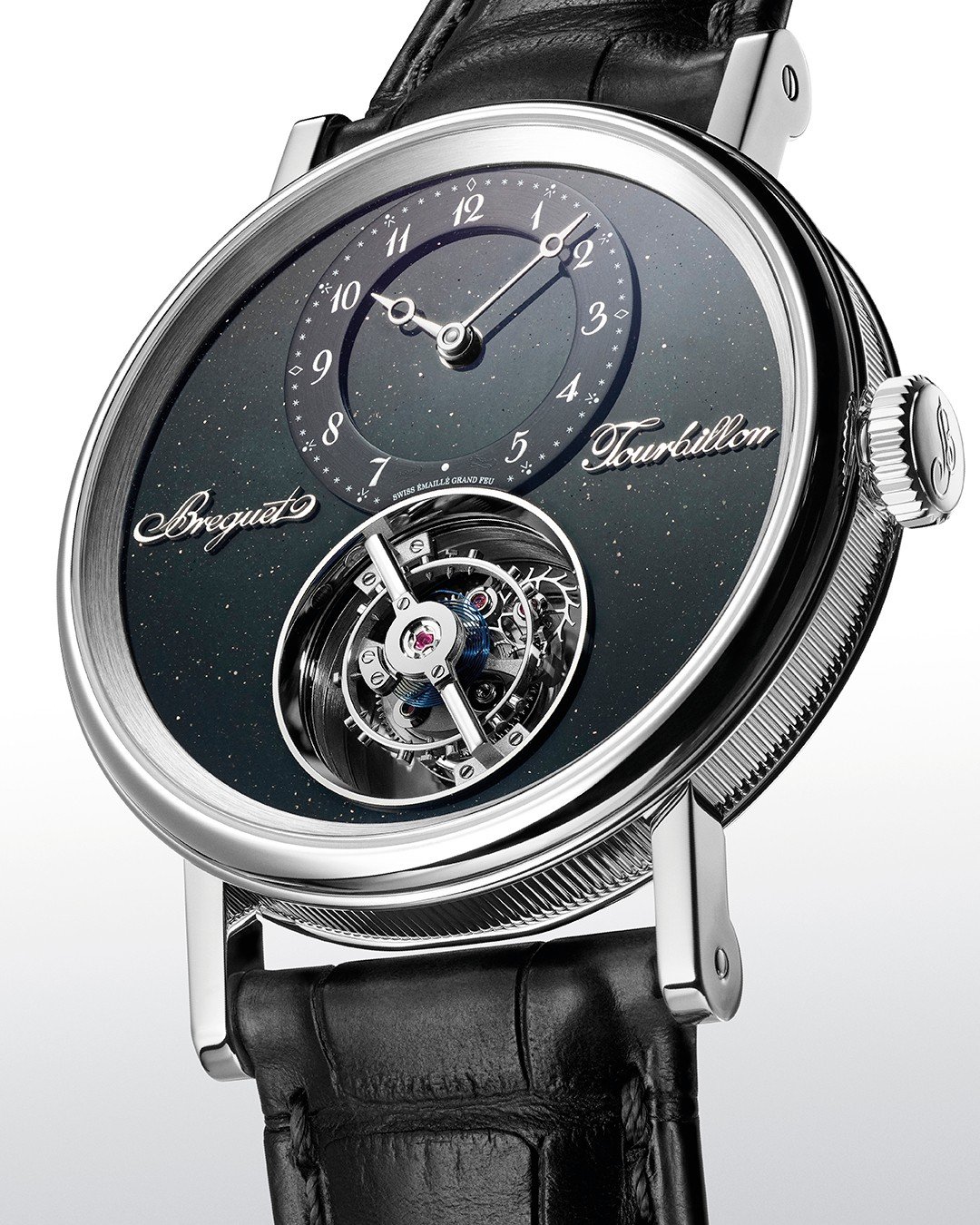
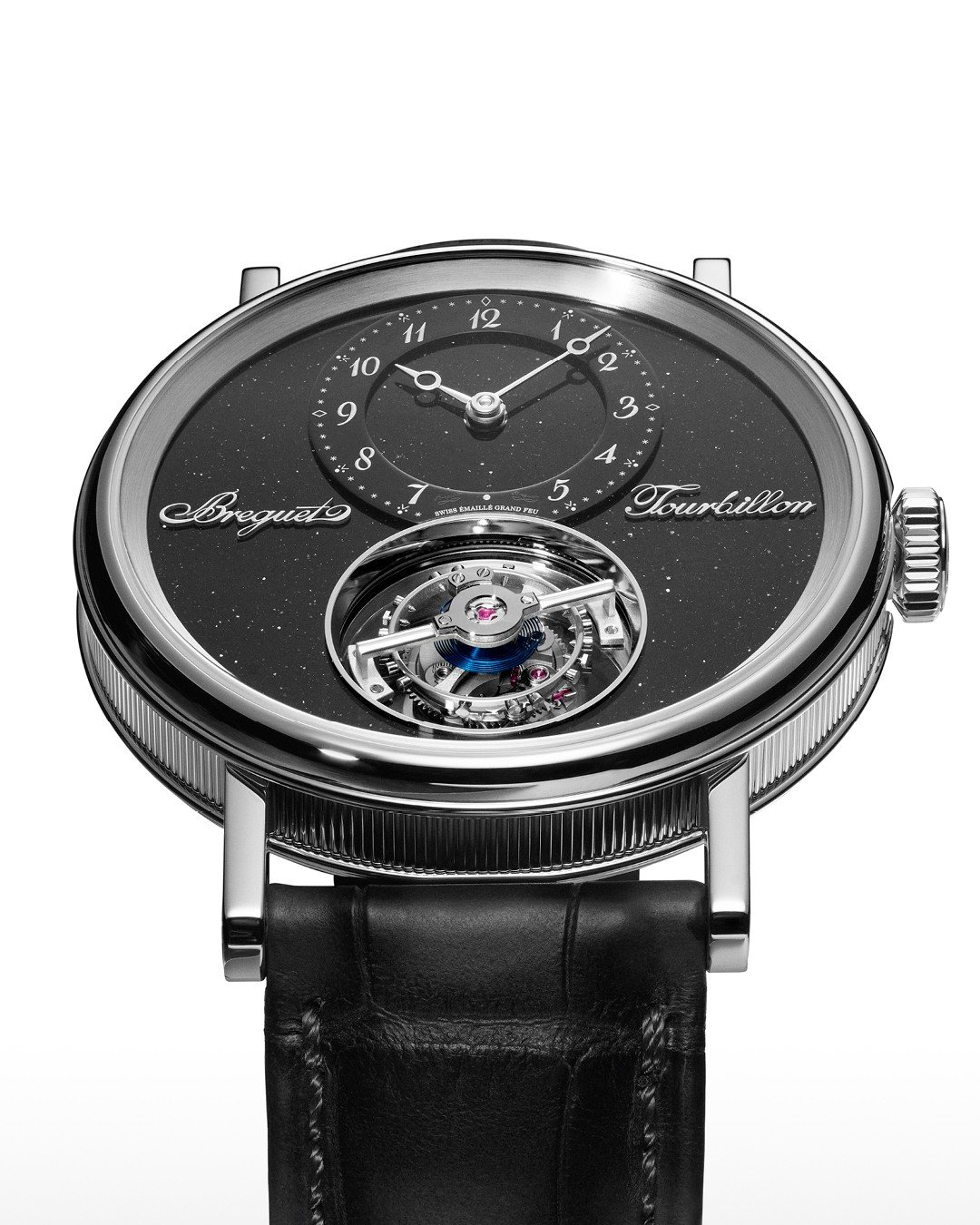
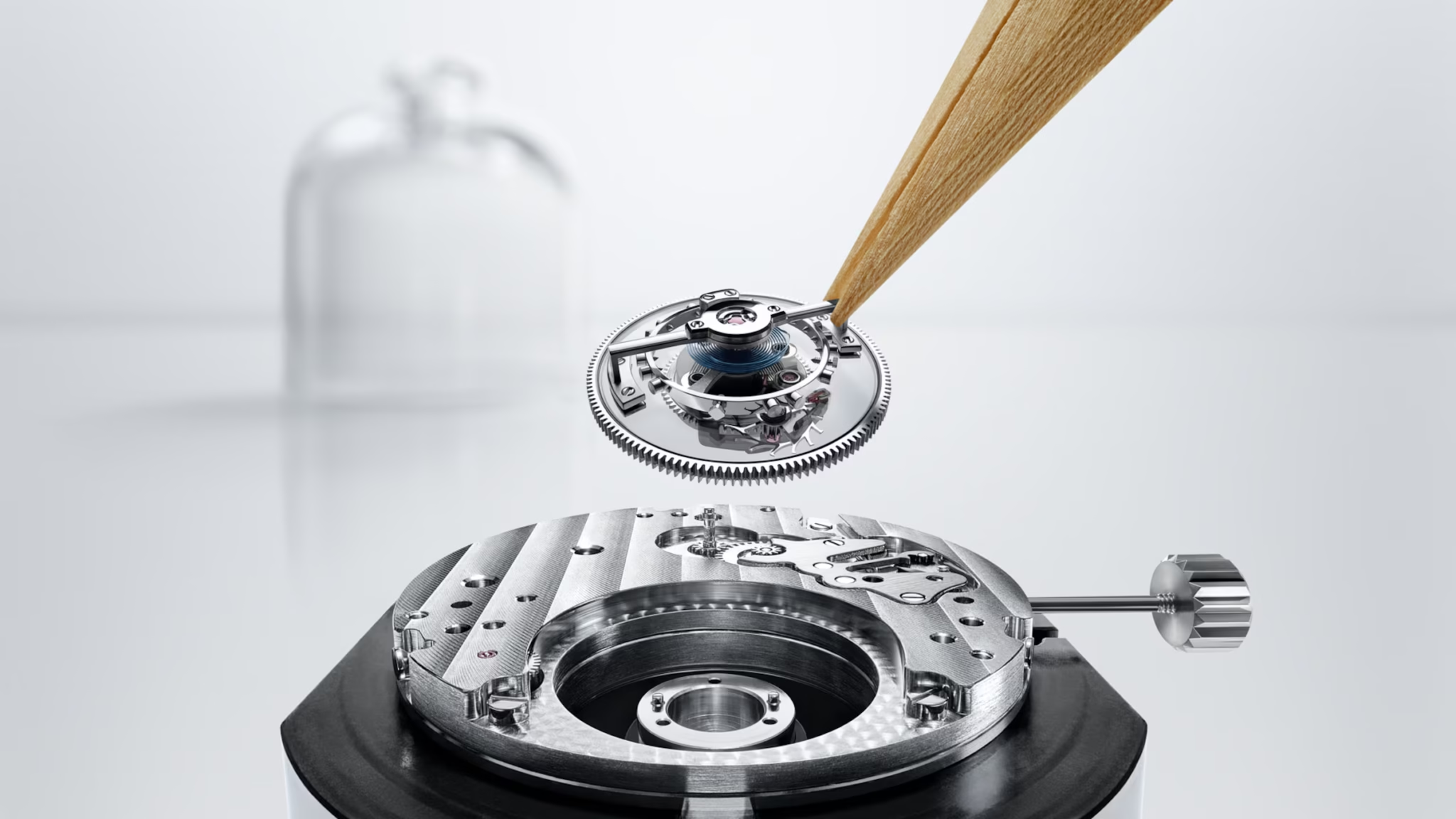
For the 225th anniversary, the Sidéral returns in a new execution: a 950 platinum case, still a compact 38mm across, now matched with a black aventurine “grand feu” enamel dial and a gold chapter ring finished in black. The tourbillon itself sits raised above the dial, catching the light from every angle. Inside is the manual-winding caliber 187M1 — 18,000vph, a 50-hour power reserve, 23 jewels, and a Breguet Nivachron balance-spring — visible through a sapphire caseback finished with the Manufacture’s Quai de l’Horloge guilloché. It’s limited to 50 individually numbered pieces, priced at CHF 223,000.
The Rest of the Anniversary Lineup
The Sidéral shares the stage with three siblings.
The Classique Tourbillon 7357 revives the DNA of the reference 3350 — the first tourbillon wristwatch built by the modern-era Manufacture back in 1989 — now in a 35mm case powered by an evolution of that original caliber.
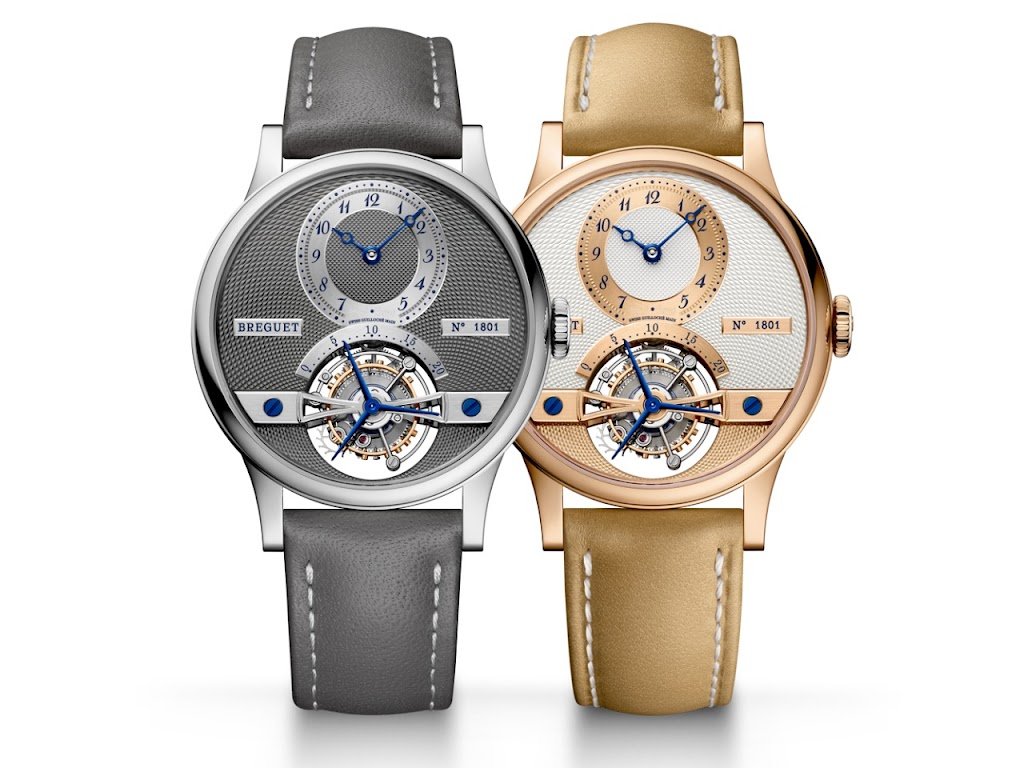
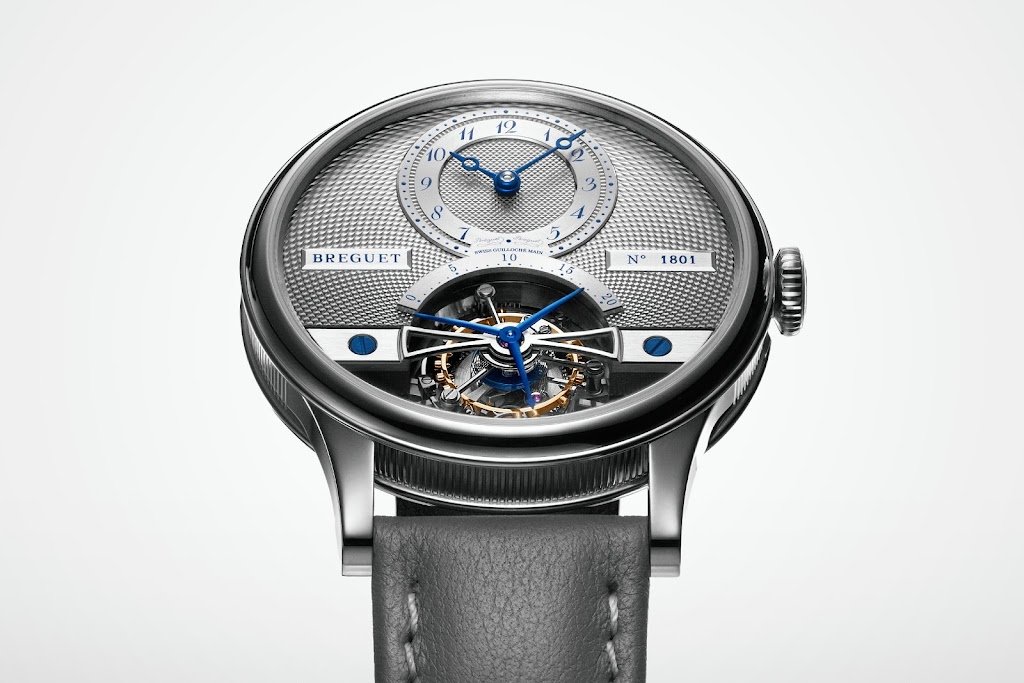
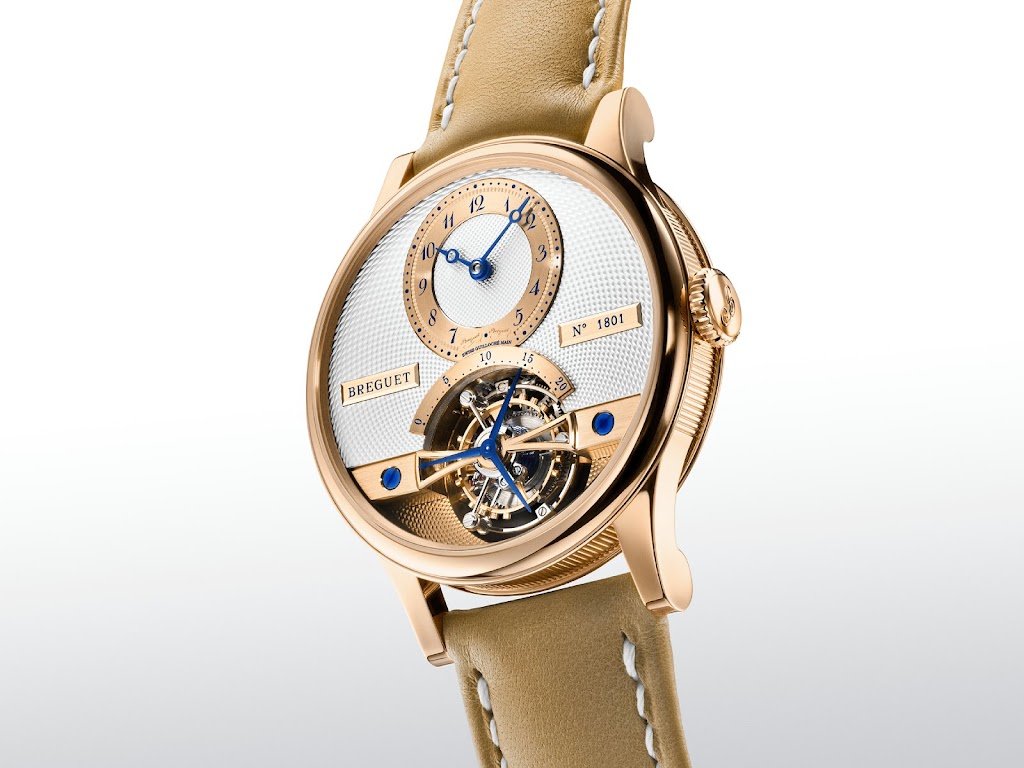
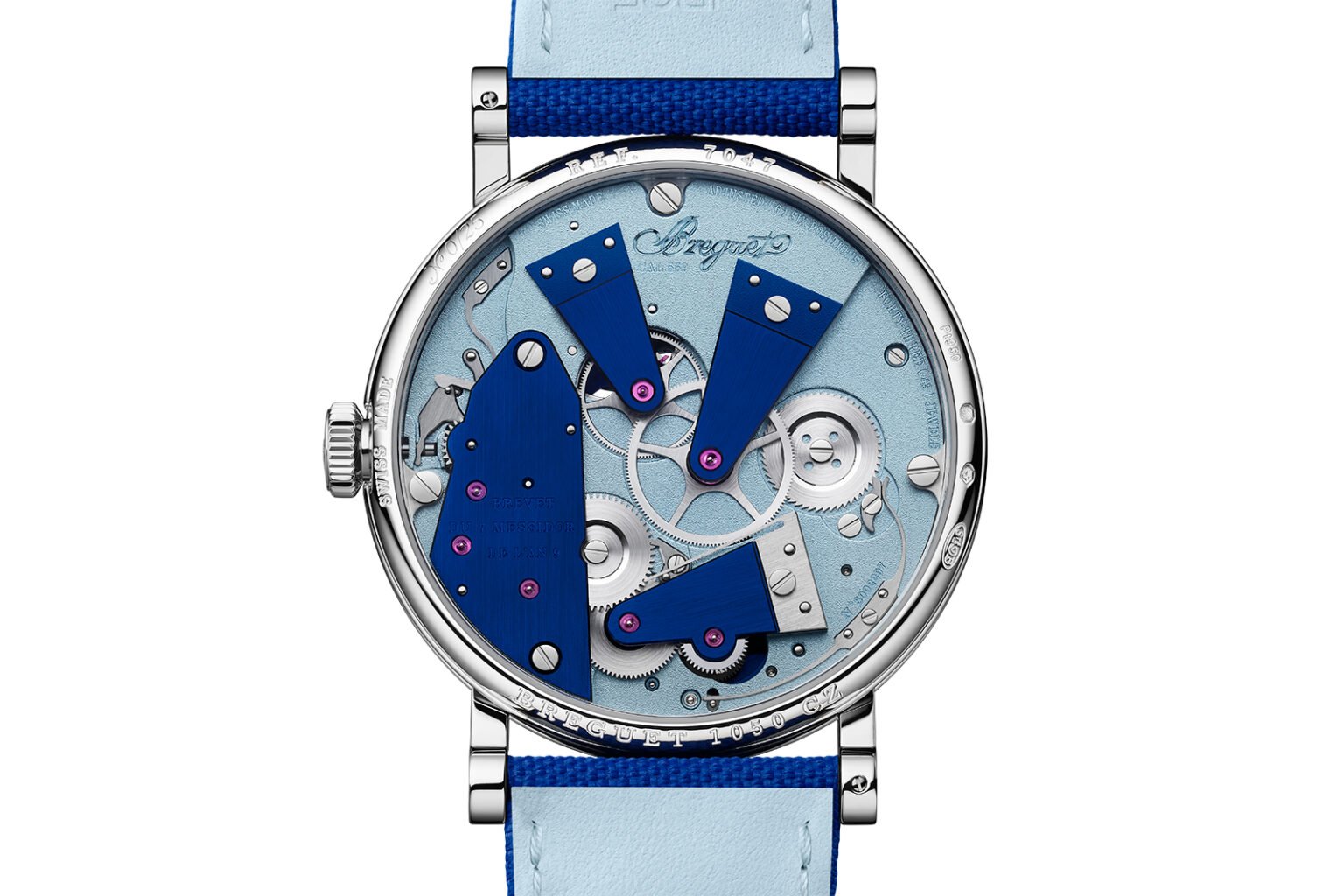
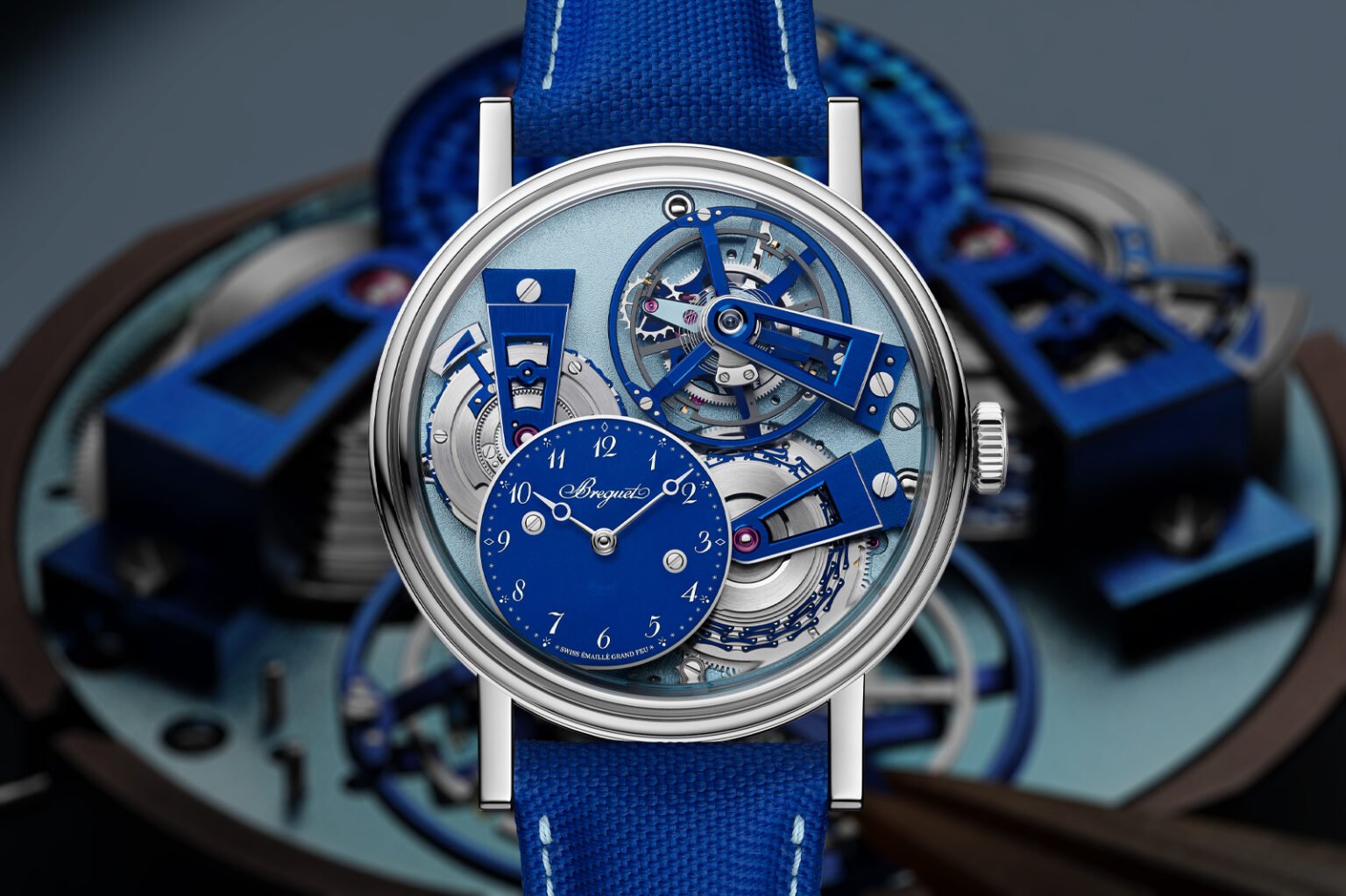
The Tradition Tourbillon 7047 pairs the tourbillon with a fusée-and-chain constant-force system, a nod to Leonardo da Vinci’s engineering, dressed here in a striking Bleu de France colourway and limited to 25 pieces.
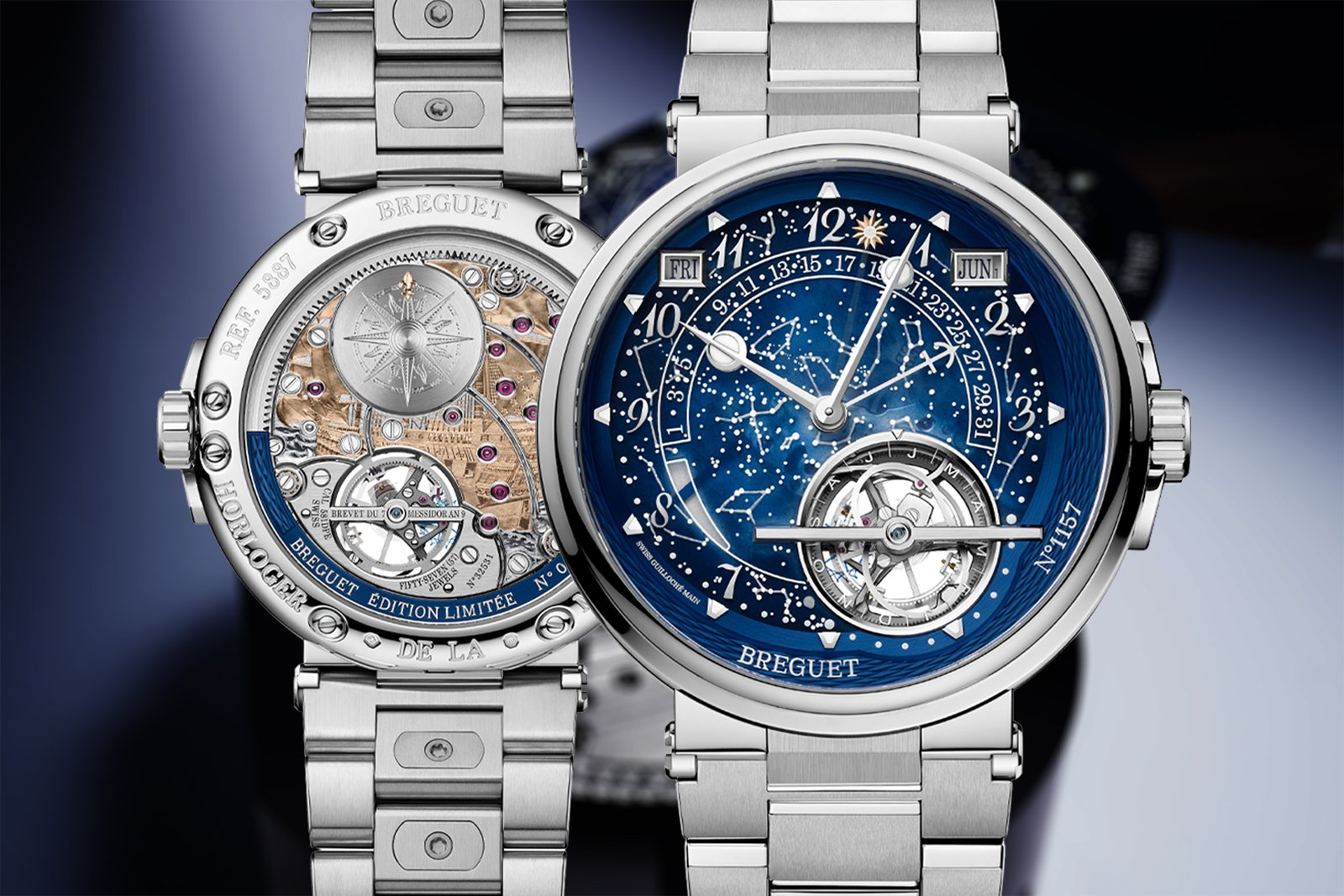
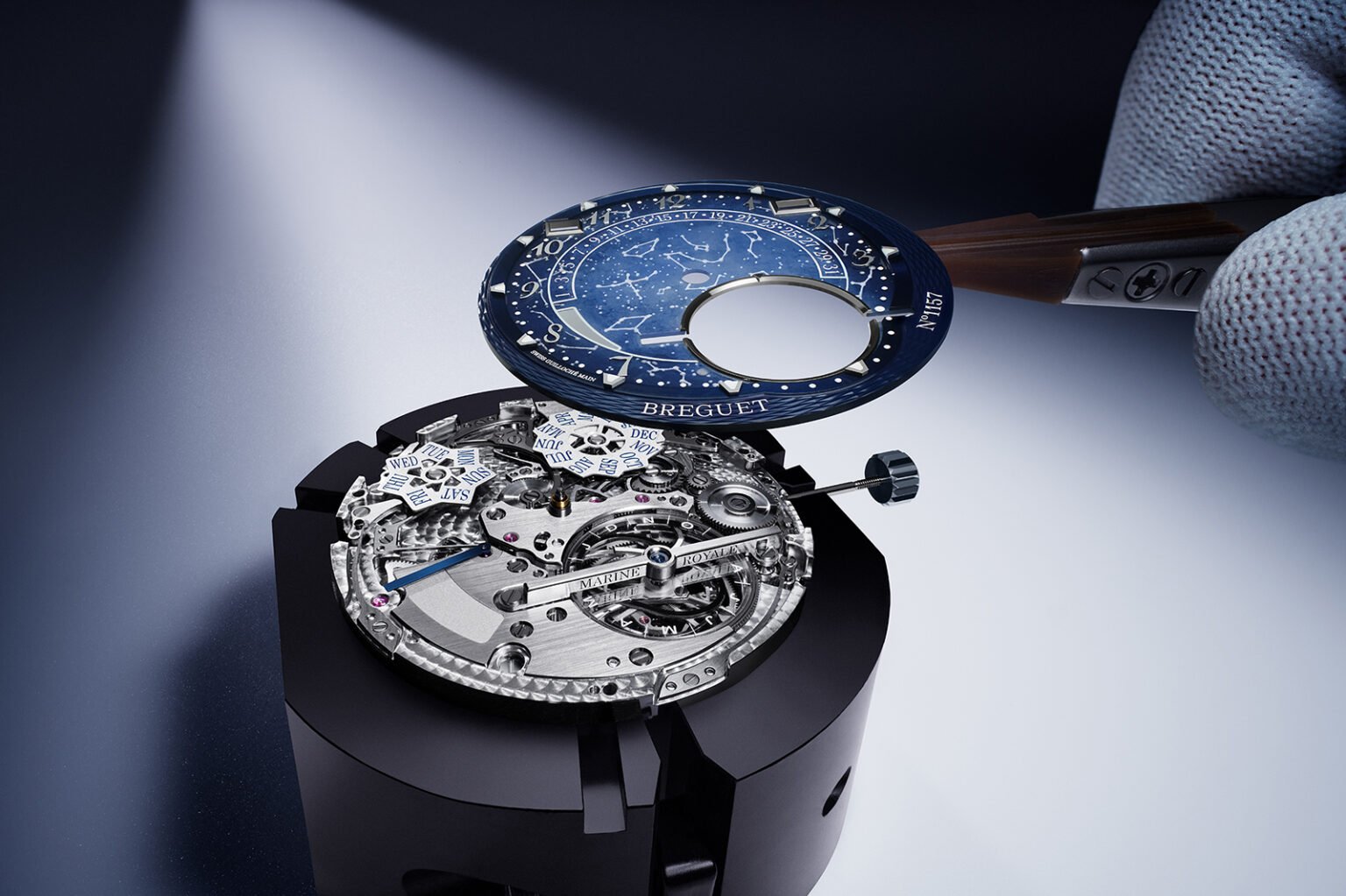
And the Marine Tourbillon Équation Marchante 5887, Breguet’s most complicated contemporary wristwatch, adds a perpetual calendar and running equation of time to the mix, with a hand-painted enamel dial depicting the exact night sky over Paris on June 26, 1801 — also limited to 25 pieces.
A 225-Year-Old Idea, Still Evolving
Anniversary collections can easily tip into nostalgia for its own sake, but Breguet’s approach here reads more like a statement of continuity: the tourbillon isn’t a museum piece, it’s still the engine of the Manufacture’s most ambitious watchmaking. By pairing historical callbacks — the 3350, the fusée-and-chain, the astronomical dial — with genuine technical firsts like the flying tourbillon, Breguet is making the case that the complication its founder invented in 1801 still has room to evolve. For collectors, that’s the real story: a 225-year-old idea that hasn’t finished surprising us yet.