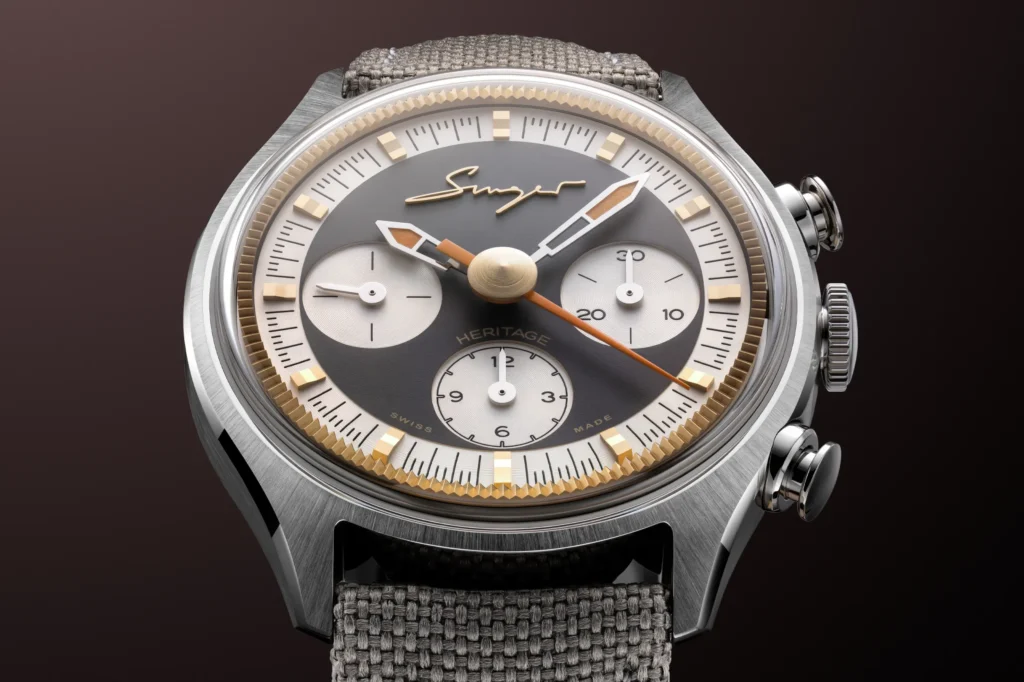

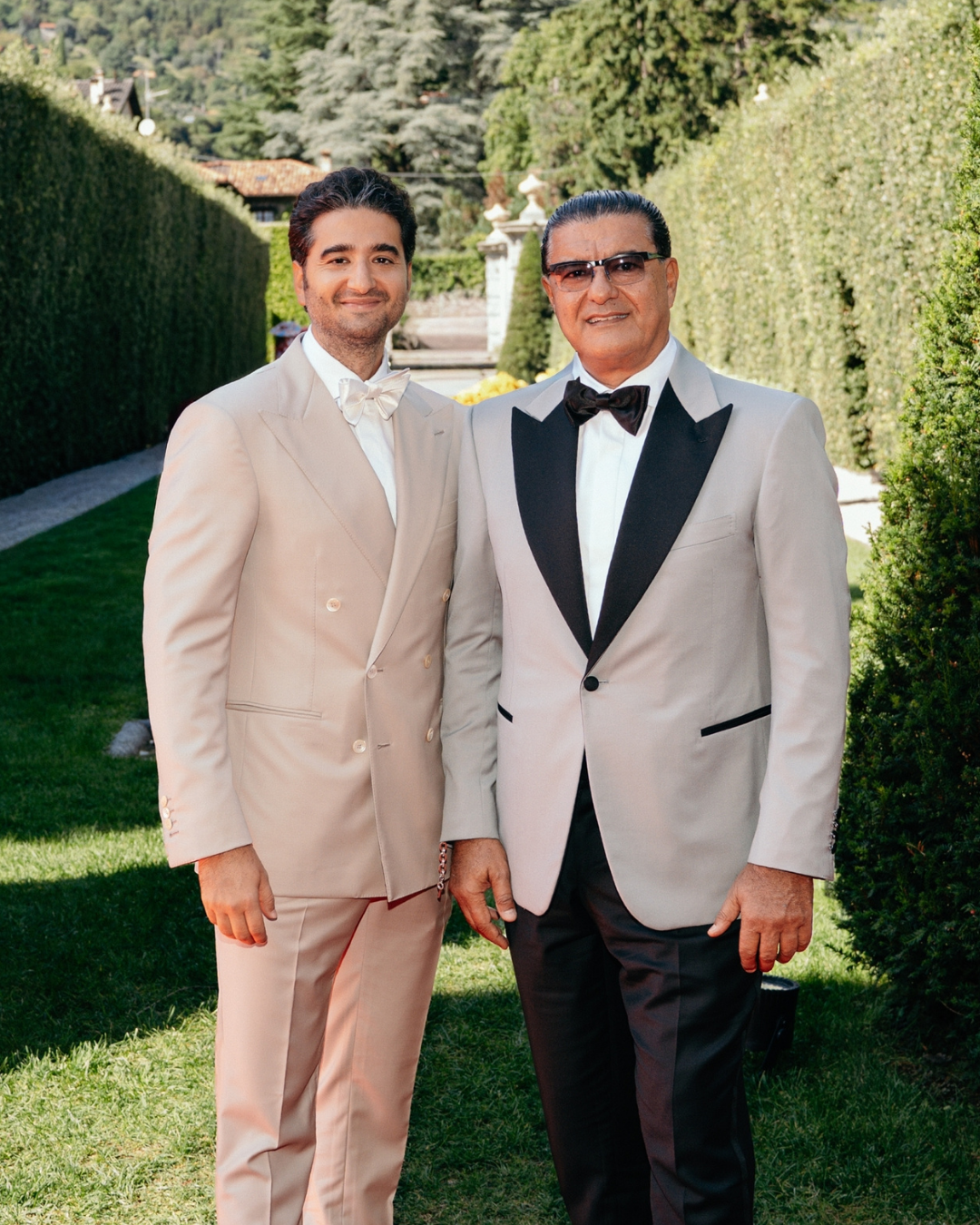
Every year, the Morgan Stanley Swiss watch industry report offers one of the clearest snapshots of how the luxury watch market is really performing. Compiled alongside industry consultancy LuxeConsult, the analysis tracks the financial performance, market share, and growth trajectories of the world’s leading watchmakers.
The latest edition of the report delivered a headline few collectors expected: Jacob & Co. has emerged as the fastest-growing brand in the industry. Known for extravagant complications and diamond-covered statement pieces, the brand posted extraordinary growth in 2025, outperforming many of the industry’s more established players.
For a company that was once considered more celebrity jeweler than serious watchmaker, the result marks a remarkable turning point.
The Morgan Stanley Report Explained
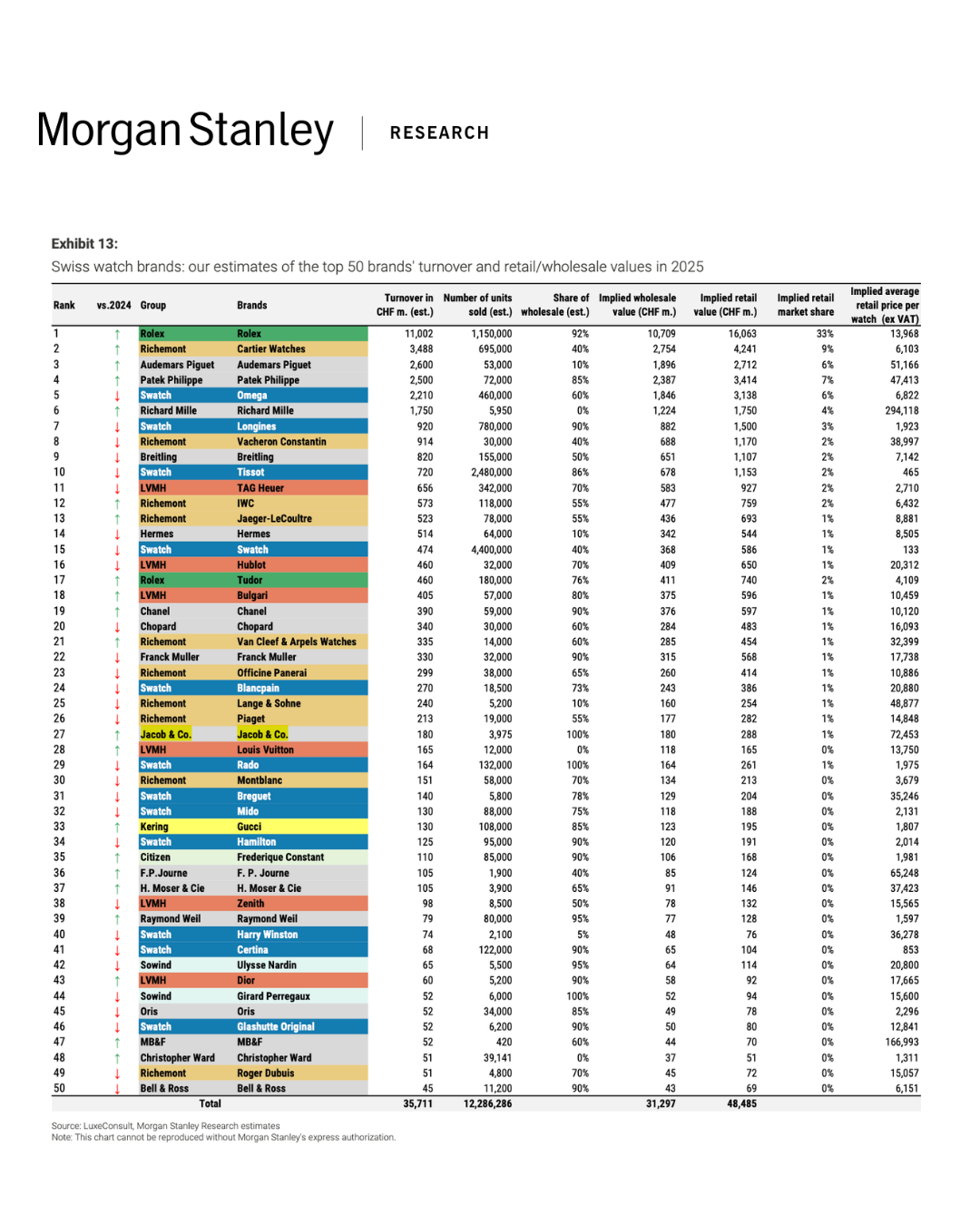
The Morgan Stanley watch report has become essential reading for industry insiders because it goes beyond marketing narratives and examines the real numbers behind the Swiss watch business. Using estimated sales figures, production volumes, and average retail prices, the report ranks brands by revenue and market performance.
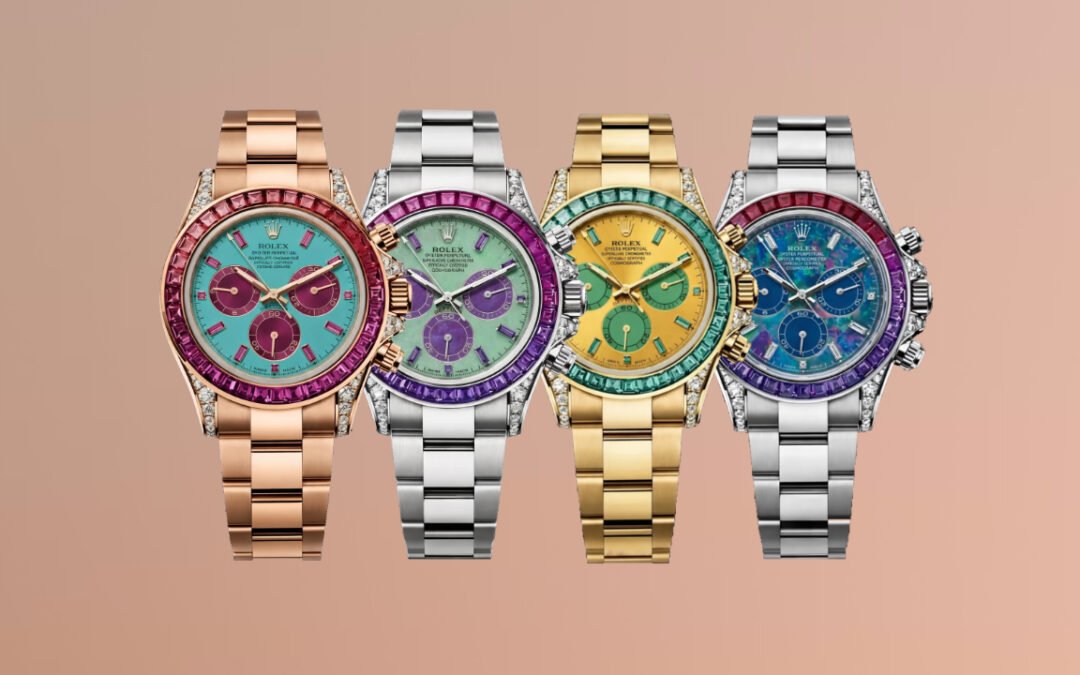
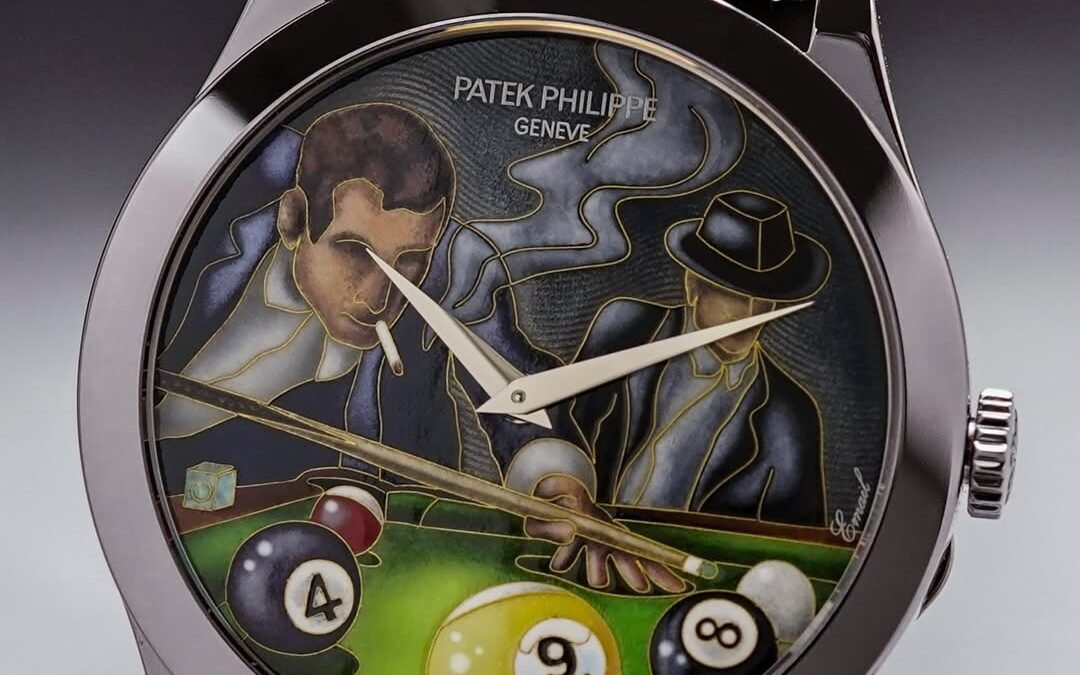
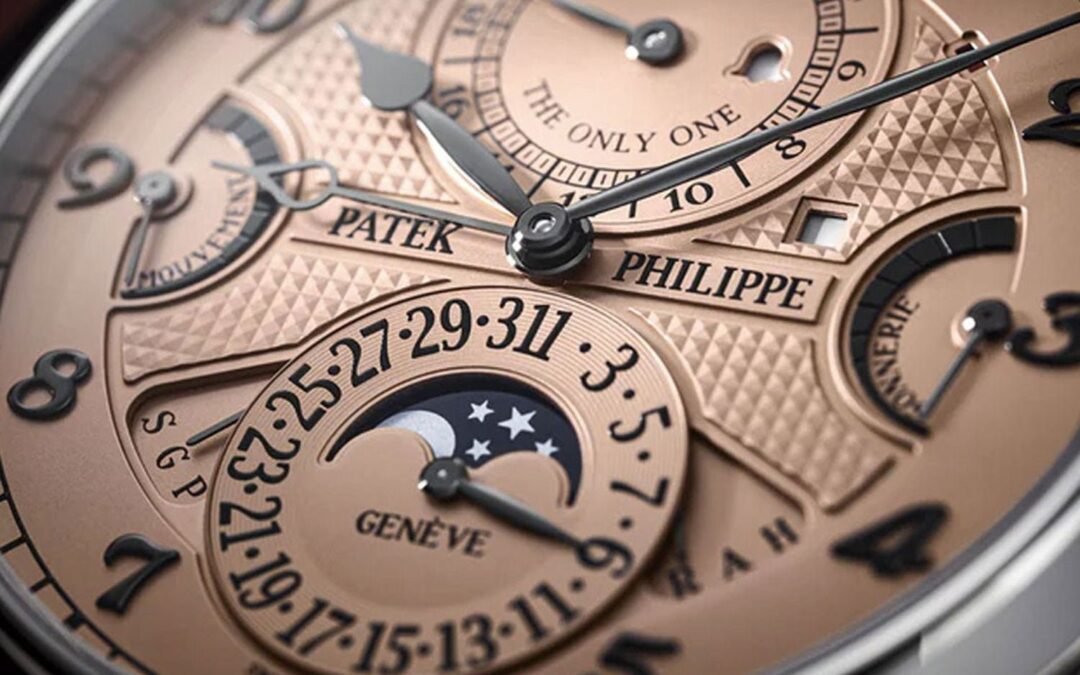
At the top of the industry hierarchy, familiar giants still dominate. Rolex remains the undisputed leader, generating billions in annual revenue and maintaining the largest share of the Swiss watch market. Brands such as Cartier, Omega, Audemars Piguet, and Patek Philippe continue to occupy the top tier of global watchmaking in both sales and prestige.
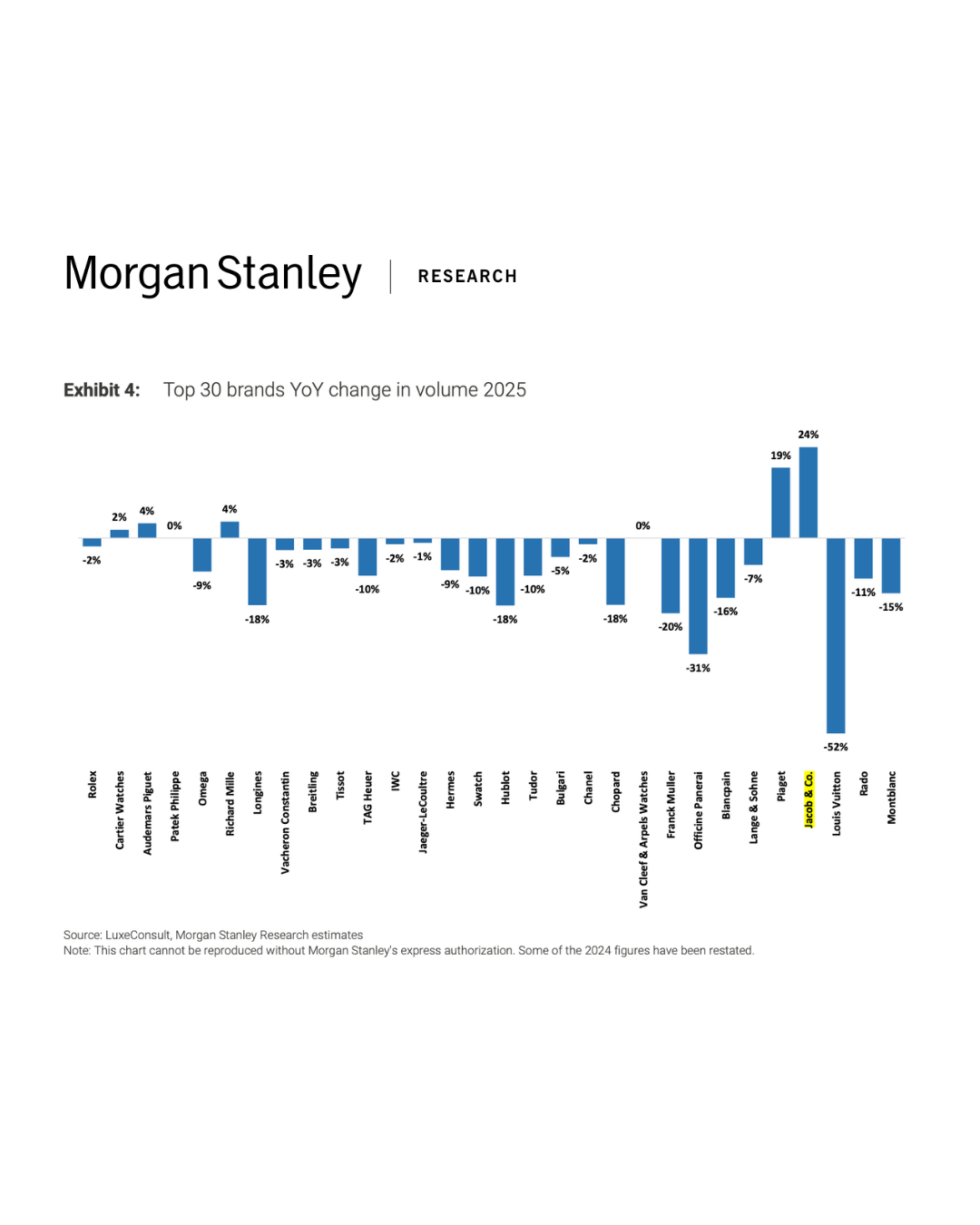
But beyond the traditional hierarchy, the report also tracks growth rates—and this is where Jacob & Co. stands out.
Jacob & Co.’s Explosive Growth
According to the Morgan Stanley analysis, Jacob & Co. recorded the highest growth rate among luxury watch brands in 2025. While the brand produces far fewer watches than the industry’s largest players, its revenue expansion has been dramatic.
The company’s growth is driven largely by its ultra-high-end strategy. Rather than competing in mainstream luxury segments, Jacob & Co. focuses almost entirely on extreme complications, limited production pieces, and high-jewelry watches with six- and seven-figure price tags.
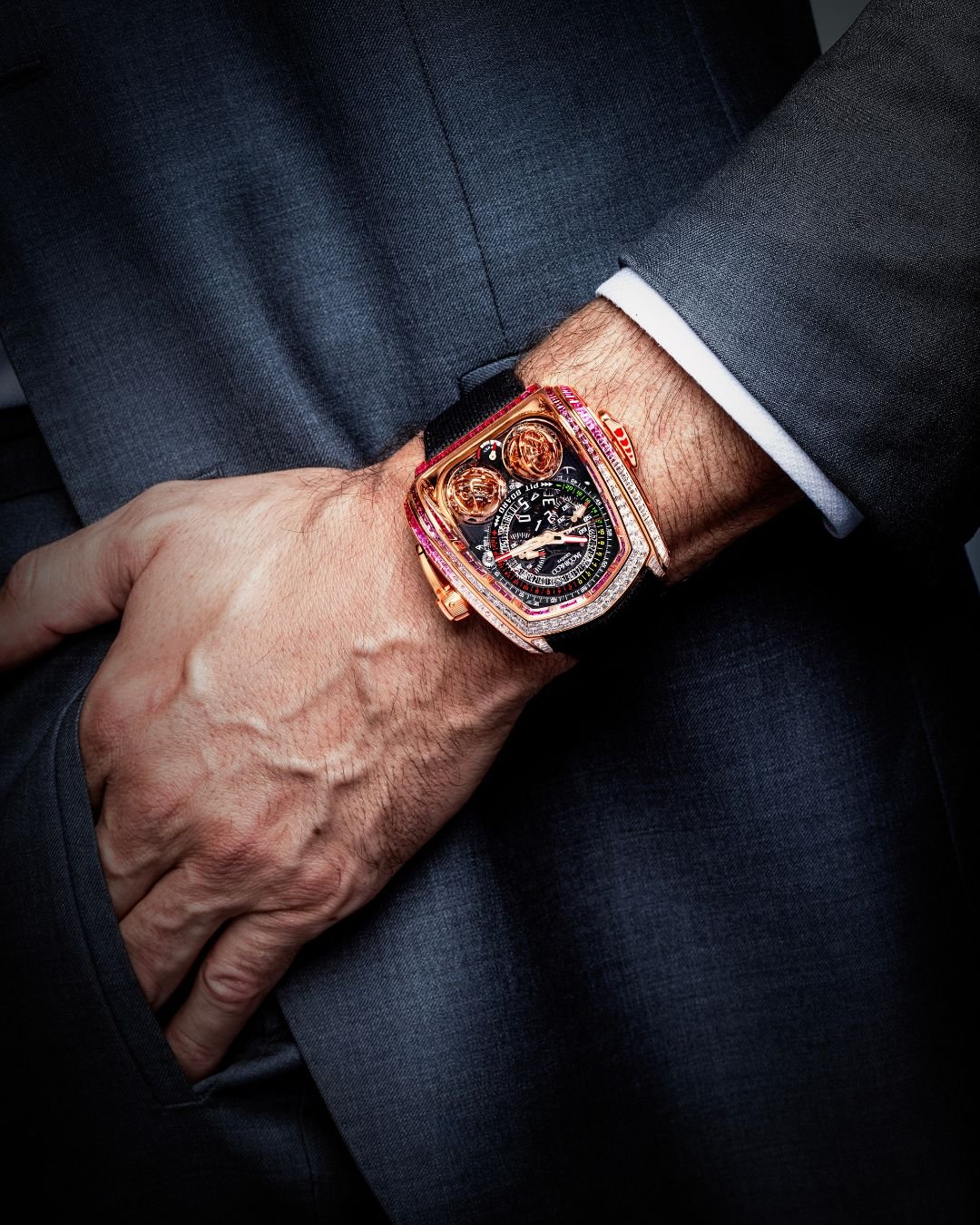
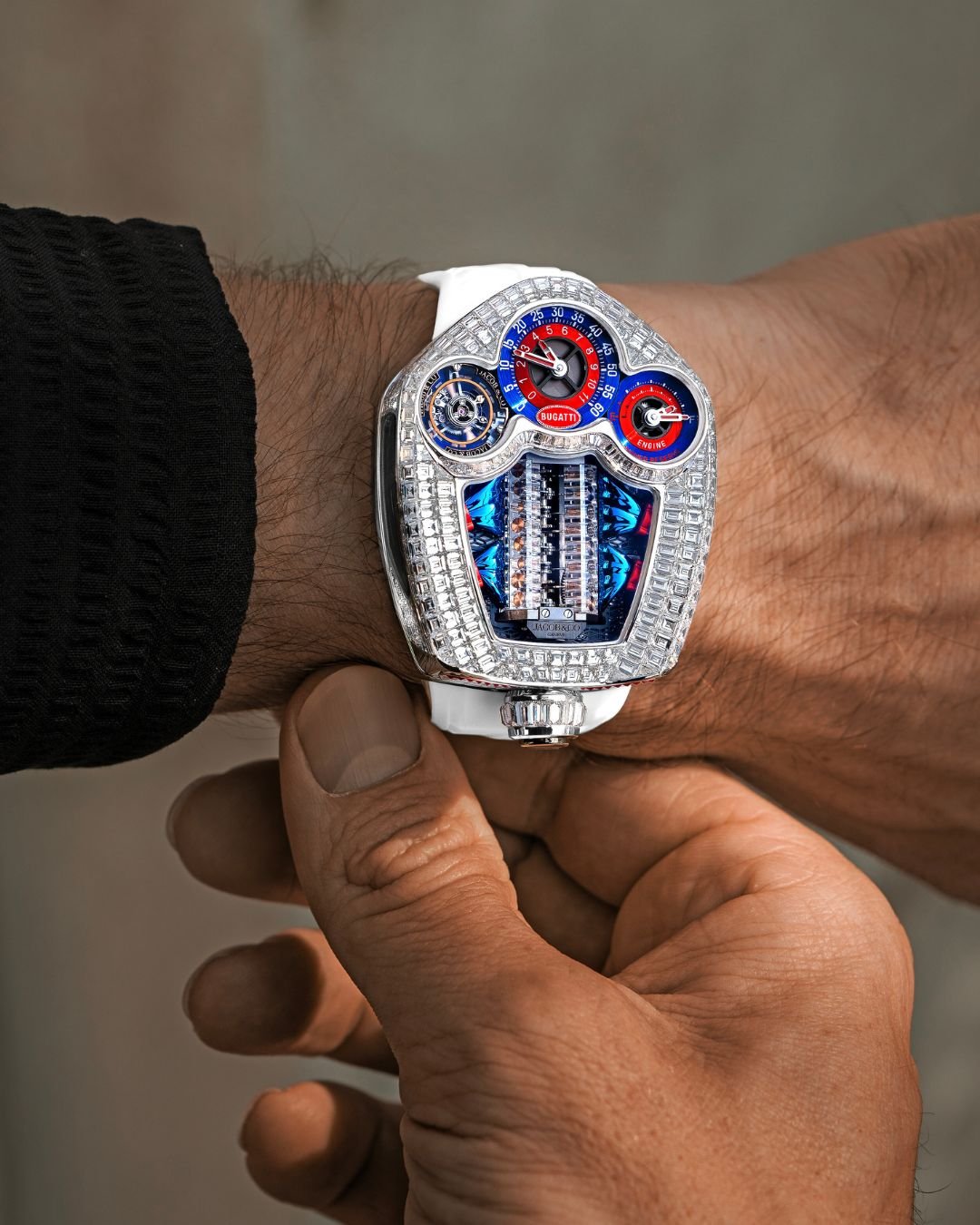
Watches such as the Jacob & Co. Astronomia and Jacob & Co. Bugatti Chiron Tourbillon have become icons of maximalist watchmaking—combining complex mechanical displays with sculptural design and elaborate gemstone setting.
This strategy allows the brand to generate enormous revenue from relatively small production numbers, a model increasingly common among independent high-horology brands.
The Design and Technical DNA Behind the Brand
What separates Jacob & Co. from many competitors is its willingness to push watchmaking into theatrical territory. The Astronomia series, for example, features multi-axis tourbillons and rotating celestial displays that transform the dial into a miniature mechanical universe.
Meanwhile the Bugatti Chiron Tourbillon incorporates a fully functional miniature W16 engine animation within the movement, a nod to the hypercar partnership that helped elevate the brand’s profile among collectors and automotive enthusiasts alike.
While these watches are intentionally extravagant, the mechanical engineering behind them is serious haute horlogerie, often developed in collaboration with highly specialized Swiss movement manufacturers.
Market Reaction and Collector Interest
For collectors, the rise of Jacob & Co. remains both fascinating and polarizing. Some enthusiasts applaud the brand for pushing the boundaries of contemporary watchmaking with bold, theatrical complications, while others see its maximalist aesthetic as intentionally extravagant. Regardless of where opinions fall, the momentum reflected in the Morgan Stanley report is difficult to ignore. The data highlights a growing appetite for ultra-exclusive, high-concept timepieces that blur the line between engineering and spectacle. If the current trajectory continues, Jacob & Co. could cement itself as one of the defining forces in the ultra-luxury segment of modern watchmaking—a remarkable evolution for a brand once viewed primarily through the lens of celebrity jewelry.